Autor: z3rch

  • El Refugio – Winnipeg, Canadá (2010)

    El Refugio – Winnipeg, Canadá (2010)

    Project data

    Architect: Lancelot Coar
    Engineer: z3rch
    Structure: Tensile framework for ice layer
    Material: Stretch fabric, fiber galss rebars GFRP + water
    Covered Area: 45 sqm
    photos: Lancelot Coar
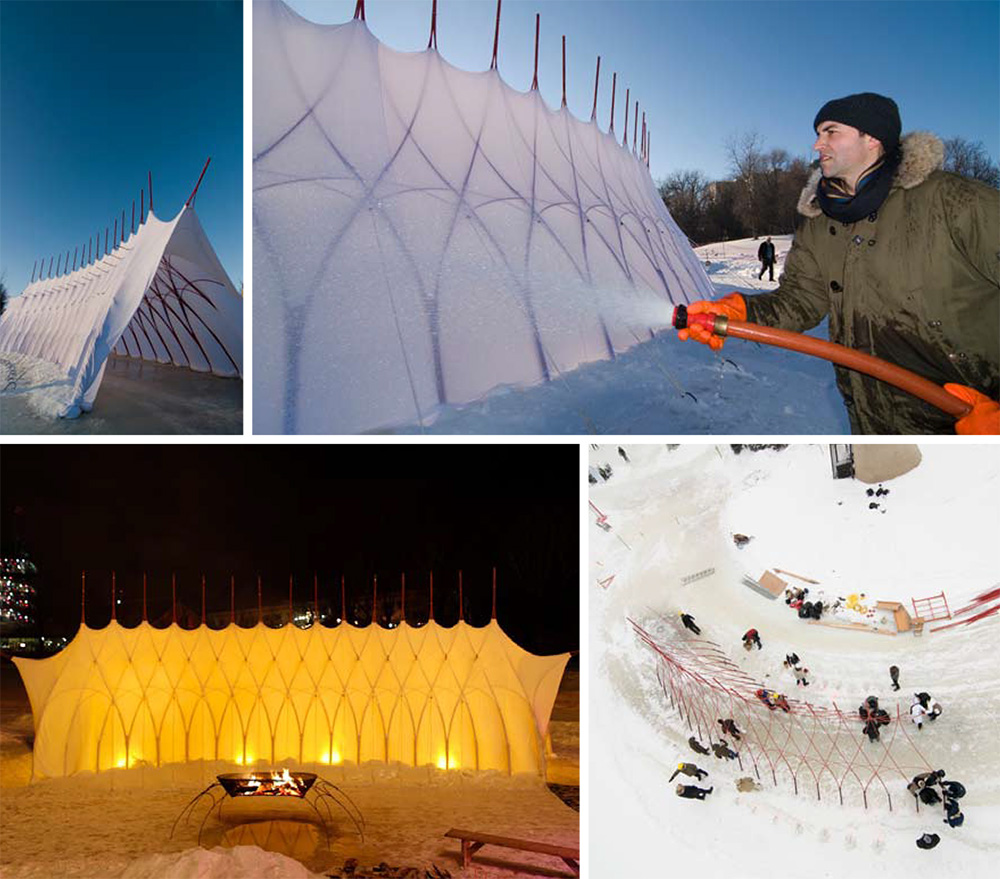
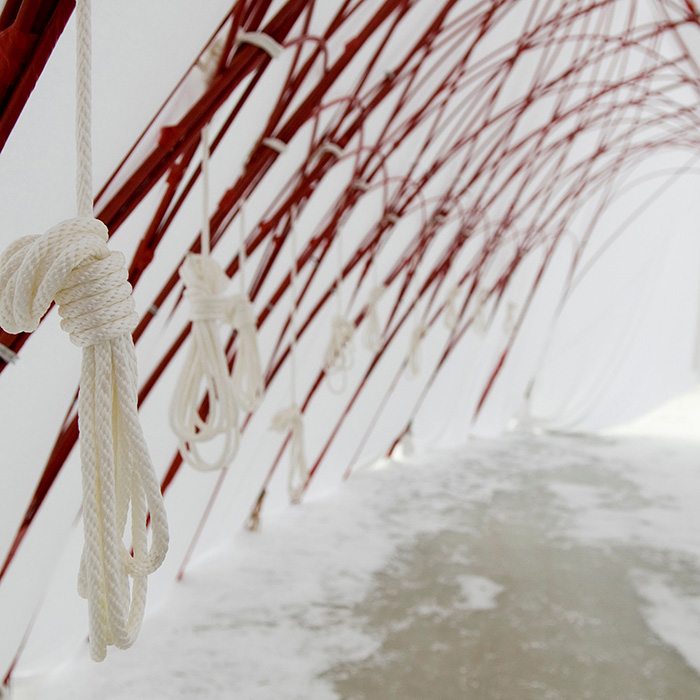
    In January of 2012, The Department of Architecture at the University of Manitoba was invited to design and construct a project for the frozen river trail on the Assiniboine and Rivers in Winnipeg, Manitoba. The proposal was to create a structure that would speak to the temporary nature of the site conditions, as well as celebrate and test how the extreme nature of the cold climate might inform a building system that relies on it. As a result a project was proposed to build a fiberglass rebar structure that would support and shape a fabric formed ice skin. Profesor Coar build this experimental “thin shell construction” using the fabric as a formwork for an ice layer. In order to help profesor Coar to determine some site condition we made some analysis and modelling of the rebar structure, membrane and ice layer. In this way we could calculate the fiber glas rebars and determine the load for the anchoring as well as the ice layer thisckness. Although this project was a study of the performance of ice as a rigid compressive material, it was also a study of the construction techniques used to form other phasechanging construction materials.
  • The Warming Hut – Winnipeg, Canada (2010)

    The Warming Hut – Winnipeg, Canada (2010)

    Project data

    Architect: Lancelot Coar
    Engineer: z3rch
    Structure: Tensile framework for ice layer
    Material: Stretch fabric, fiber glass rebars GFRP + water
    Covered Area: 45 sqm
    photos: Lancelot Coar

    In January of 2012, The Department of Architecture at the University of Manitoba was invited to design and construct a project for the frozen river trail on the Assiniboine and Rivers in Winnipeg, Manitoba. The proposal was to create a structure that would speak to the temporary nature of the site conditions, as well as celebrate and test how the extreme nature of the cold climate might inform a building system that relies on it. As a result a project was proposed to build a fiberglass rebar structure that would support and shape a fabric formed ice skin. Profesor Coar build this experimental “thin shell construction” using the fabric as a formwork for an ice layer. In order to help profesor Coar to determine some site condition we made some analysis and modelling of the rebar structure, membrane and ice layer. In this way we could calculate the fiber glas rebars and determine the load for the anchoring as well as the ice layer thisckness. Although this project was a study of the performance of ice as a rigid compressive material, it was also a study of the construction techniques used to form other phasechanging construction materials.
  • Die wärmende Hütte – Winnipeg, Kanada (2010)

    Die wärmende Hütte – Winnipeg, Kanada (2010)

    Projektdaten

    Architekt: Lancelot Coar
    Ingenieur: z3rch
    Struktur: Zuggerüst für Eisschicht
    Material: Stretchgewebe, Glasfaserverstärkungen GFRP + Wasser
    überdeckte Fläche: 45 qm
    Fotos: Lancelot Coar

    In January of 2012, The Department of Architecture at the University of Manitoba was invited to design and construct a project for the frozen river trail on the Assiniboine and Rivers in Winnipeg, Manitoba. The proposal was to create a structure that would speak to the temporary nature of the site conditions, as well as celebrate and test how the extreme nature of the cold climate might inform a building system that relies on it. As a result a project was proposed to build a fiberglass rebar structure that would support and shape a fabric formed ice skin. Profesor Coar build this experimental “thin shell construction” using the fabric as a formwork for an ice layer. In order to help profesor Coar to determine some site condition we made some analysis and modelling of the rebar structure, membrane and ice layer. In this way we could calculate the fiber glas rebars and determine the load for the anchoring as well as the ice layer thisckness. Although this project was a study of the performance of ice as a rigid compressive material, it was also a study of the construction techniques used to form other phasechanging construction materials.
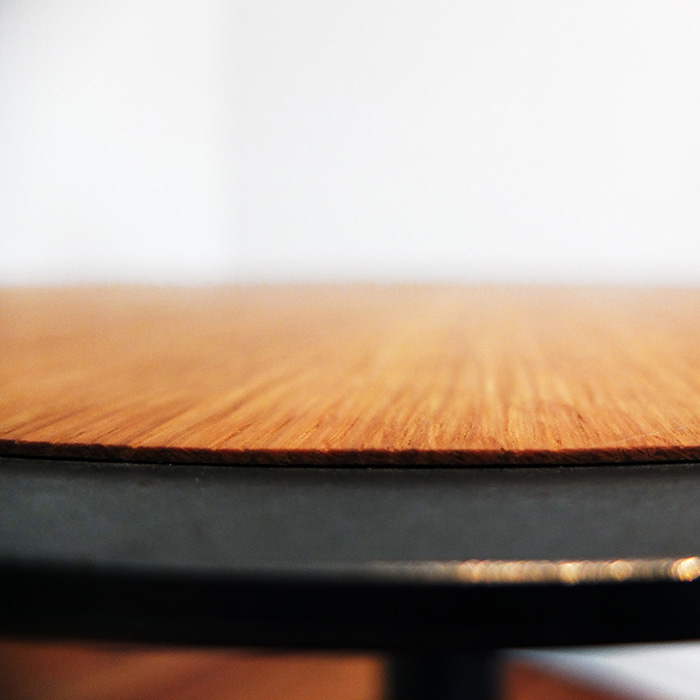
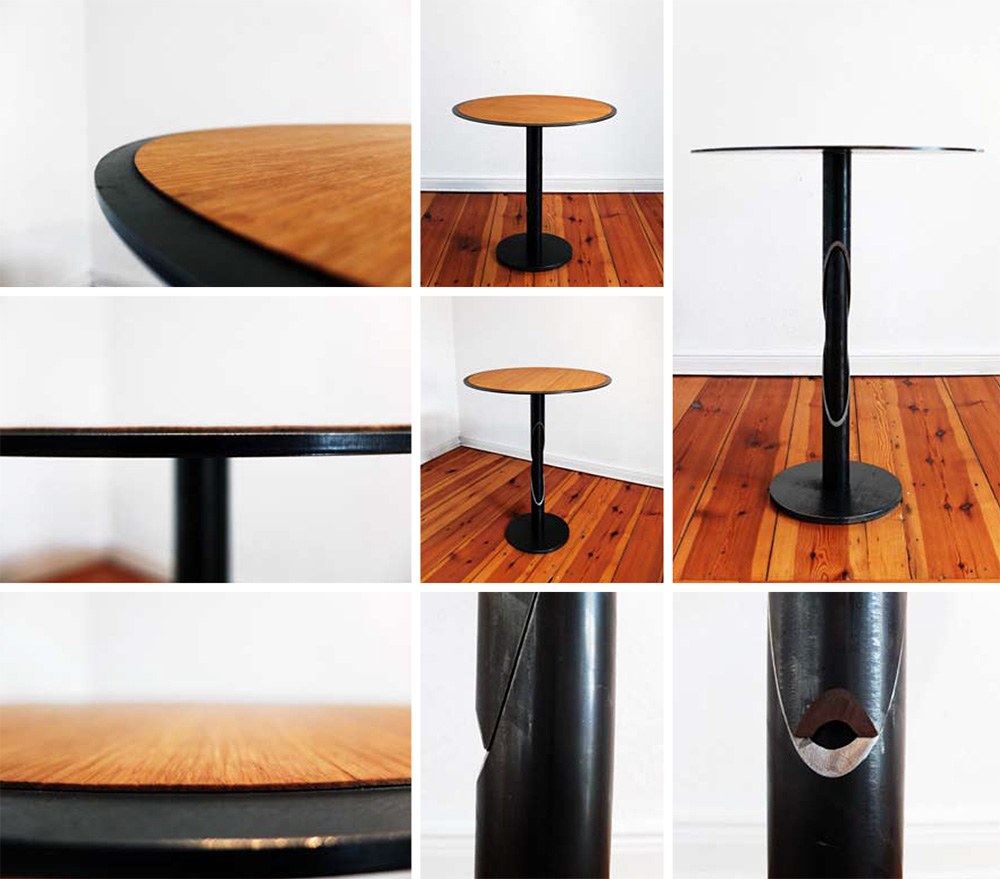
  • z3 adapTable – Berlín, Alemania (2013)

    z3 adapTable – Berlín, Alemania (2013)

    Project data

    Design: z3rch
    Engineering: z3rch
    Adaptable table with form connection
    Material: Steel + wood
    Diameter: 60 cm
    photos: z3rch

  • z3 adapTable – Berlin, Germany (2013)

    z3 adapTable – Berlin, Germany (2013)

    Project data

    Design: z3rch
    Engineering: z3rch
    Adaptable table with form connection
    Material: Steel + wood
    Diameter: 60 cm
    photos: z3rch

  • z3 adapTable – Berlin, Deutschland (2013)

    z3 adapTable – Berlin, Deutschland (2013)

    Projektdaten

    Design: z3rch
    Ingenieur: z3rch
    anpassbarer Tisch mit Formverbindung
    Material: Steel + wood
    Durchmesser: 60 cm
    Fotos: z3rch

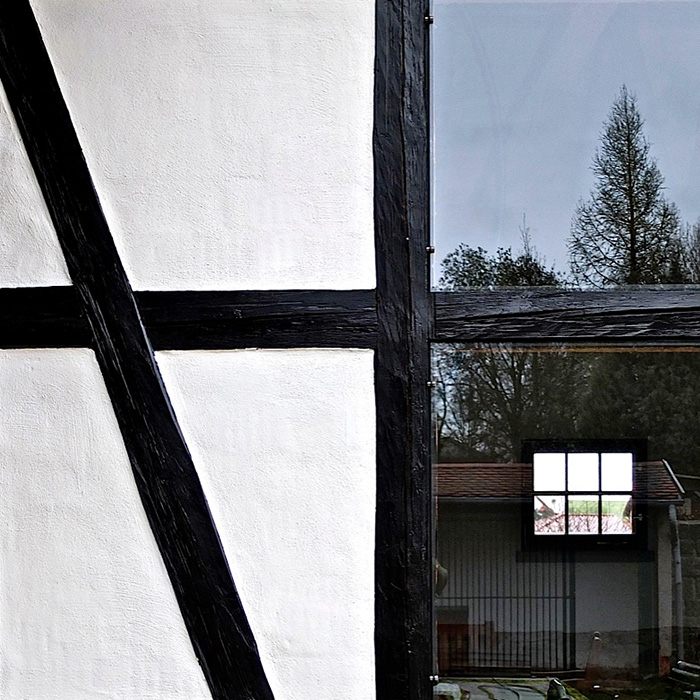
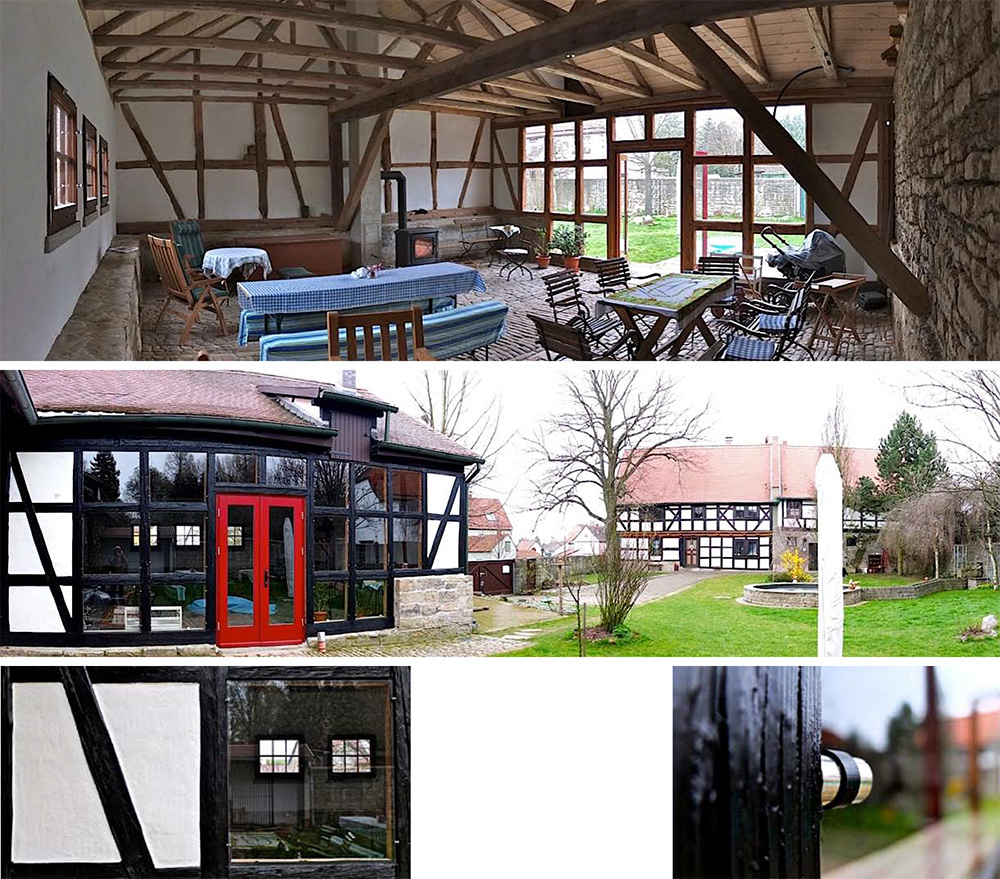
  • Jardín de Invierno Behringen, Alemania (2012)

    Jardín de Invierno Behringen, Alemania (2012)

    Project data

    Design: z3rch
    Fassade
    Material: Glass + wood
    Covered Area: 30 sqm
    photos: z3rch

  • Winter Garden Behringen, Germany (2012)

    Winter Garden Behringen, Germany (2012)

    Project data

    Design: z3rch
    Fassade
    Material: Glass + wood
    Covered Area: 30 sqm
    photos: z3rch

  • Wintergarten Behringen, Deutschland (2012)

    Wintergarten Behringen, Deutschland (2012)

    Projektdaten

    Design: z3rch
    Fassade
    Material: Glas + Holz
    überbaute Fläche: 30 qm
    Fotos: z3rch

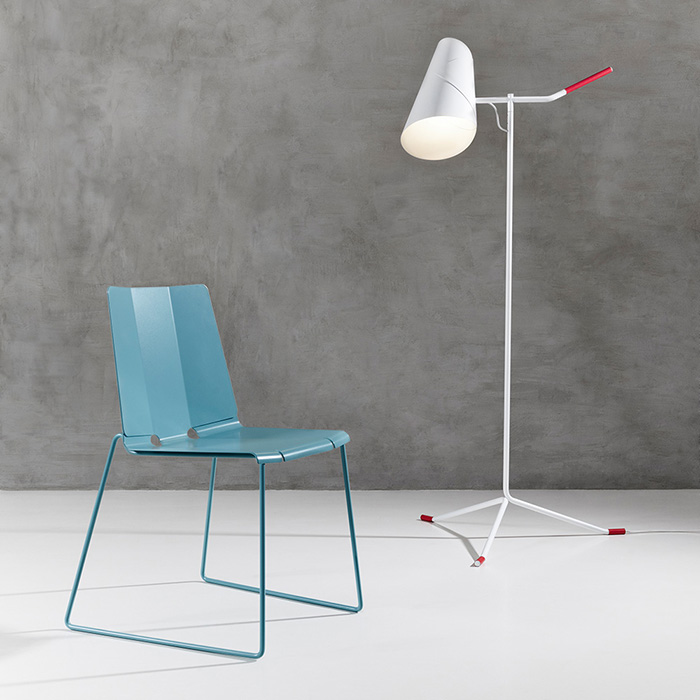
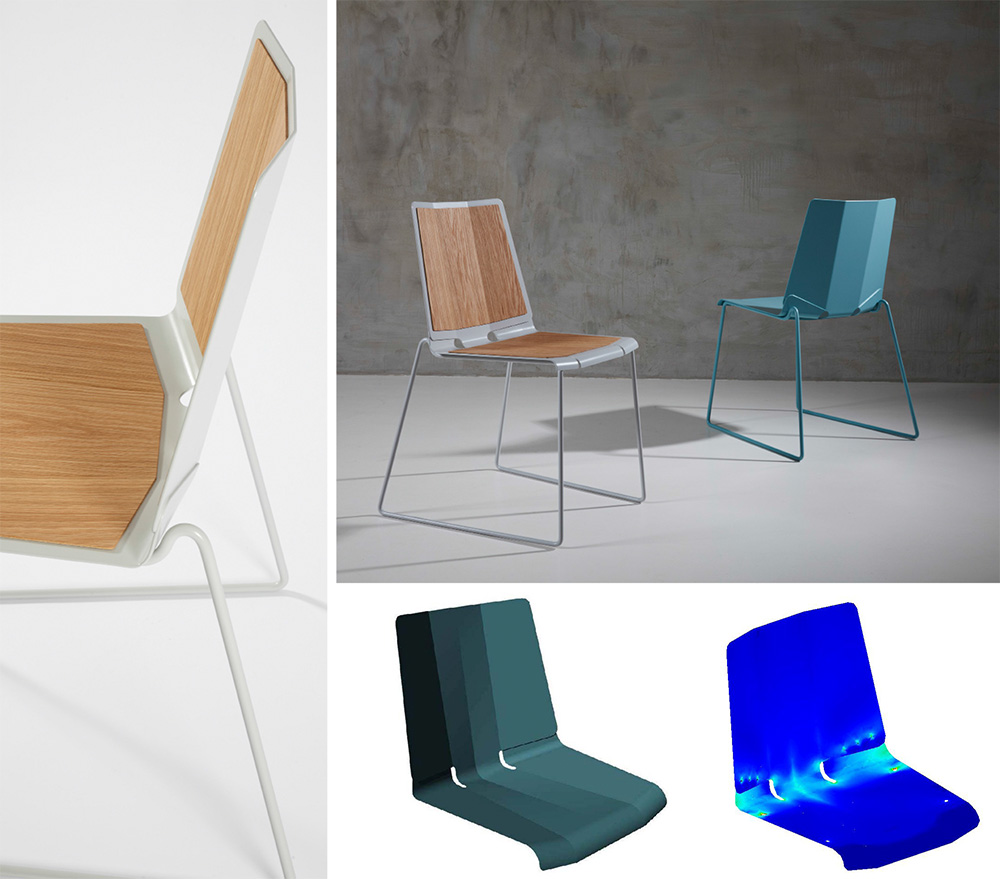
  • Pliegues – Berlín, Alemania (2012)

    Pliegues – Berlín, Alemania (2012)

    Project data

    Design: Robert Hoffmann
    Engineer: z3rch
    Structure: Shell structure
    Material: Aluminium
    photos: Ben Fuchs + z3rch

  • Edge – Berlin, Germany (2012)

    Edge – Berlin, Germany (2012)

    Project data

    Design: Robert Hoffmann
    Engineer: z3rch
    Structure: Shell structure
    Material: Aluminium
    photos: Ben Fuchs + z3rch

  • Kante – Berlin, Deutschland (2012)

    Kante – Berlin, Deutschland (2012)

    Projektdaten

    Design: Robert Hoffmann
    Ingenieur: z3rch
    Struktur: Muschelstruktur
    Material: Aluminium
    Fotos: Ben Fuchs, z3rch